The locations
Understanding Japan's mountain markets
Four short chapters to place the homes in context — where they sit, what surrounds them, and how each region differs.
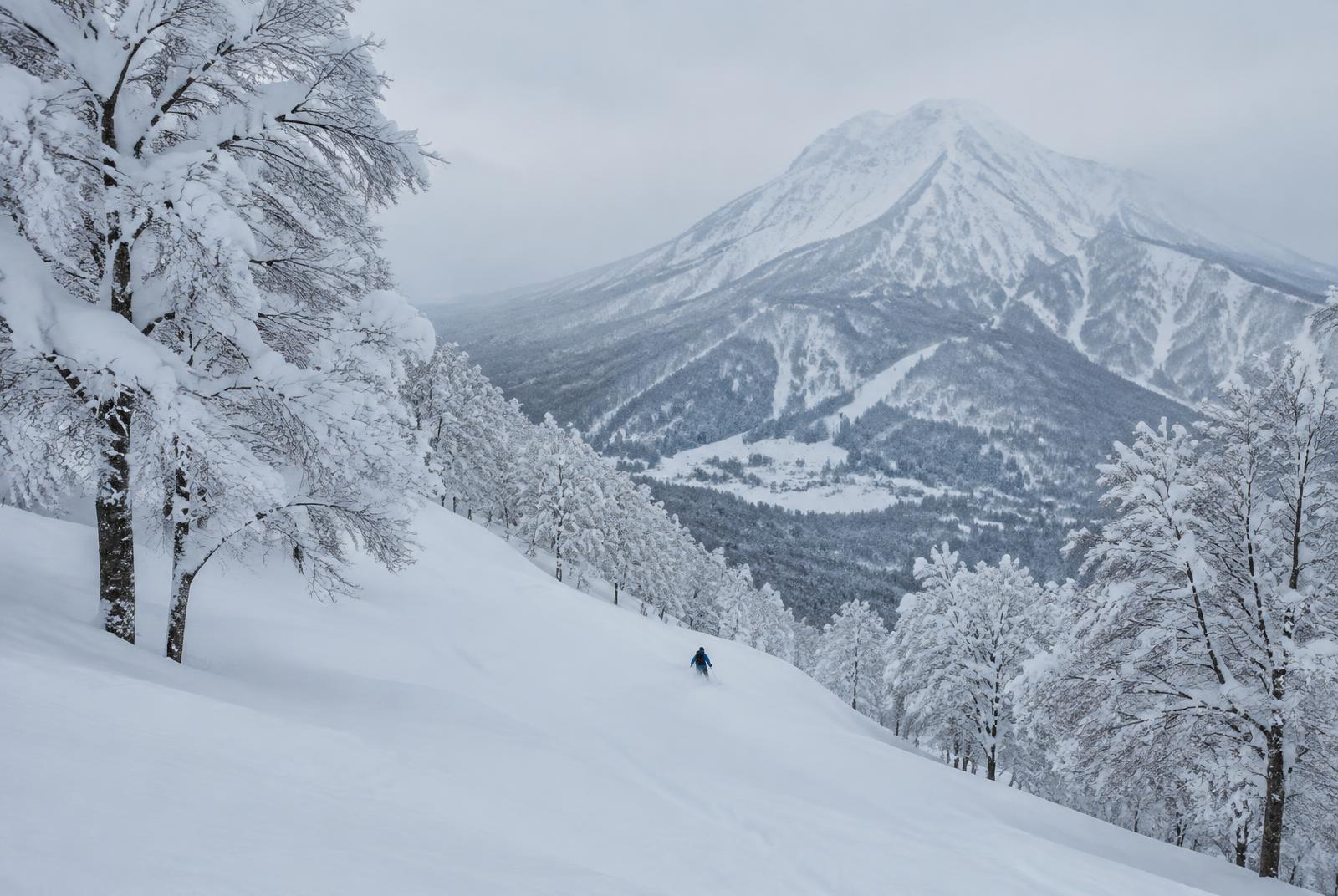
Myoko
Powder, scale and a mountain region in transition.
One of Japan's established snow destinations, with several interconnected or nearby ski areas rather than one single mountain: Akakura Onsen, Akakura Kanko, Ikenotaira, Myoko Suginohara and Seki Onsen.
Myoko Suginohara alone offers 17 trails, 1,124 m of vertical and an 8.5 km longest run.
Deep snow, established ski culture, onsen, improving international awareness and relatively accessible property prices compared with Hakuba. Tokyo → Nagano by Shinkansen takes approximately 80–100 minutes; Joetsu-Myoko is also served by the Hokuriku Shinkansen.
International demand + room for further development.
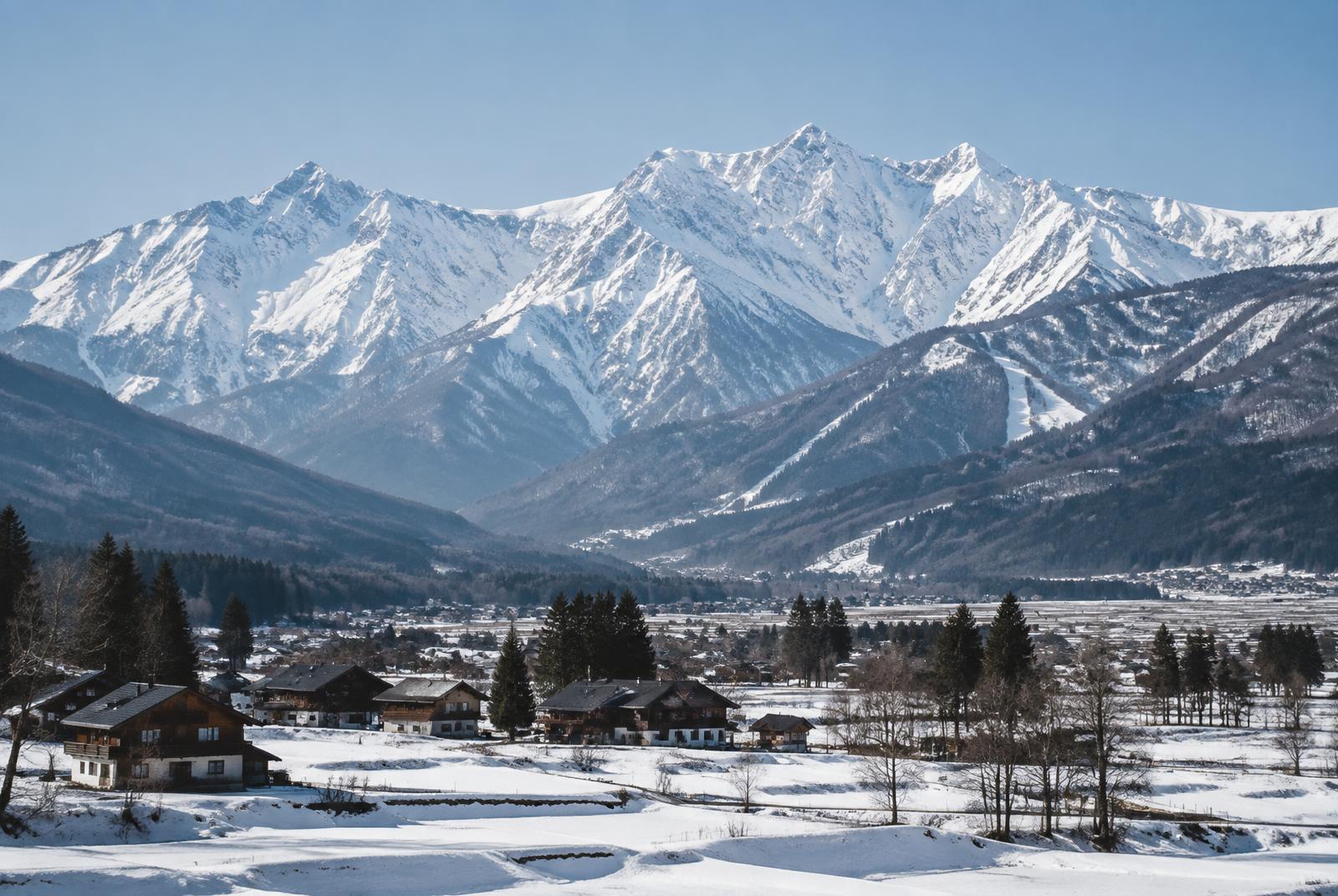
Hakuba
Japan's most established international alpine market.
Hakuba Valley comprises multiple ski resorts and has become one of Japan's best-known international mountain destinations — a large ski network, established hospitality, restaurants and après-ski, significant foreign ownership, summer hiking and direct access from Nagano.
Property prices and competition are considerably higher. That is useful context for why homes outside Hakuba can offer much lower entry prices.
Proven international mountain economics — at a premium entry price.
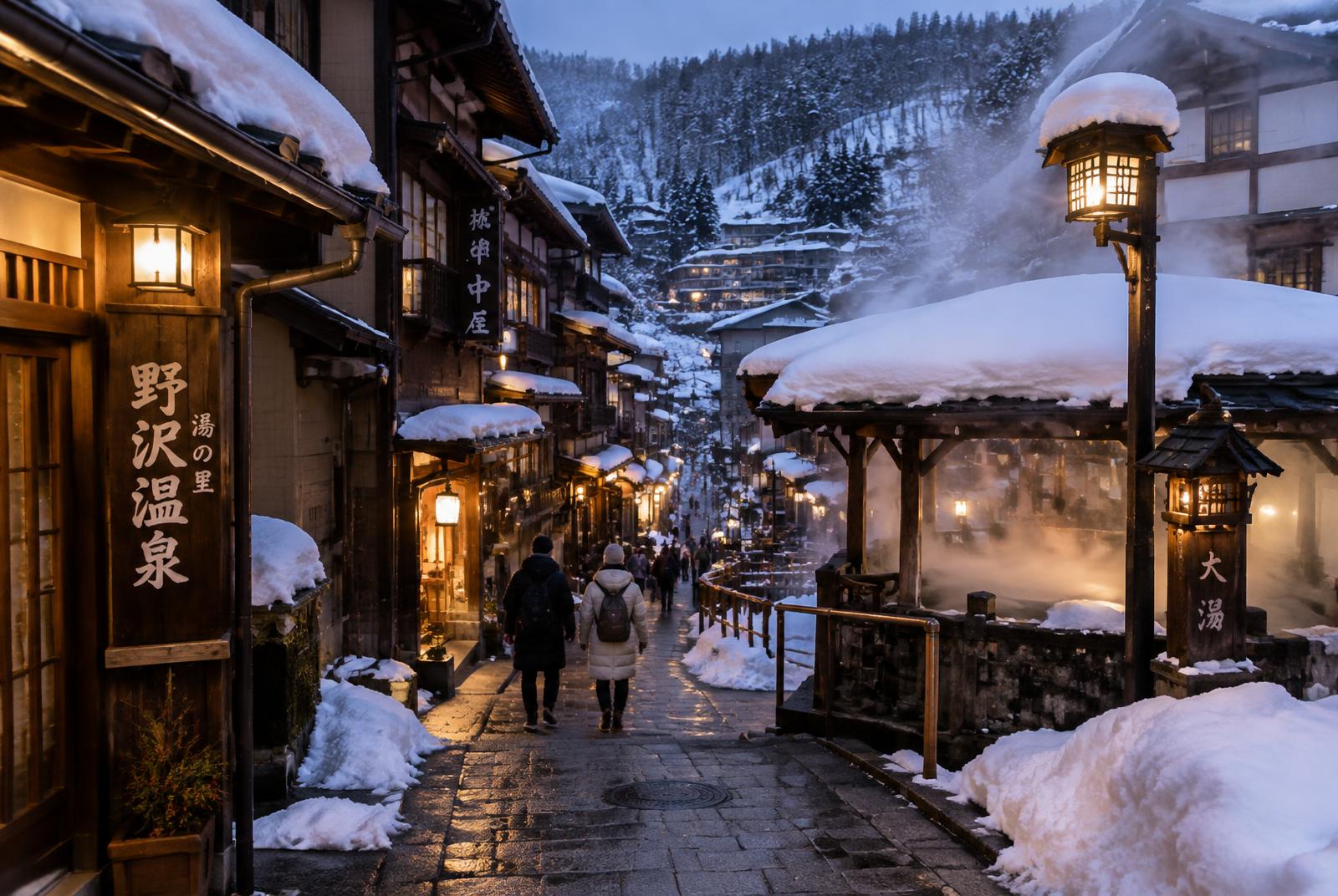
Nozawa Onsen
Skiing inside a living Japanese village.
A historic onsen village with walkable streets, public bath culture, traditional ryokan and minshuku, and a major ski mountain directly above the village.
Central property supply is limited. The attraction is scarcity and authenticity rather than large-scale development.
Scarcity + authentic Japanese mountain life.
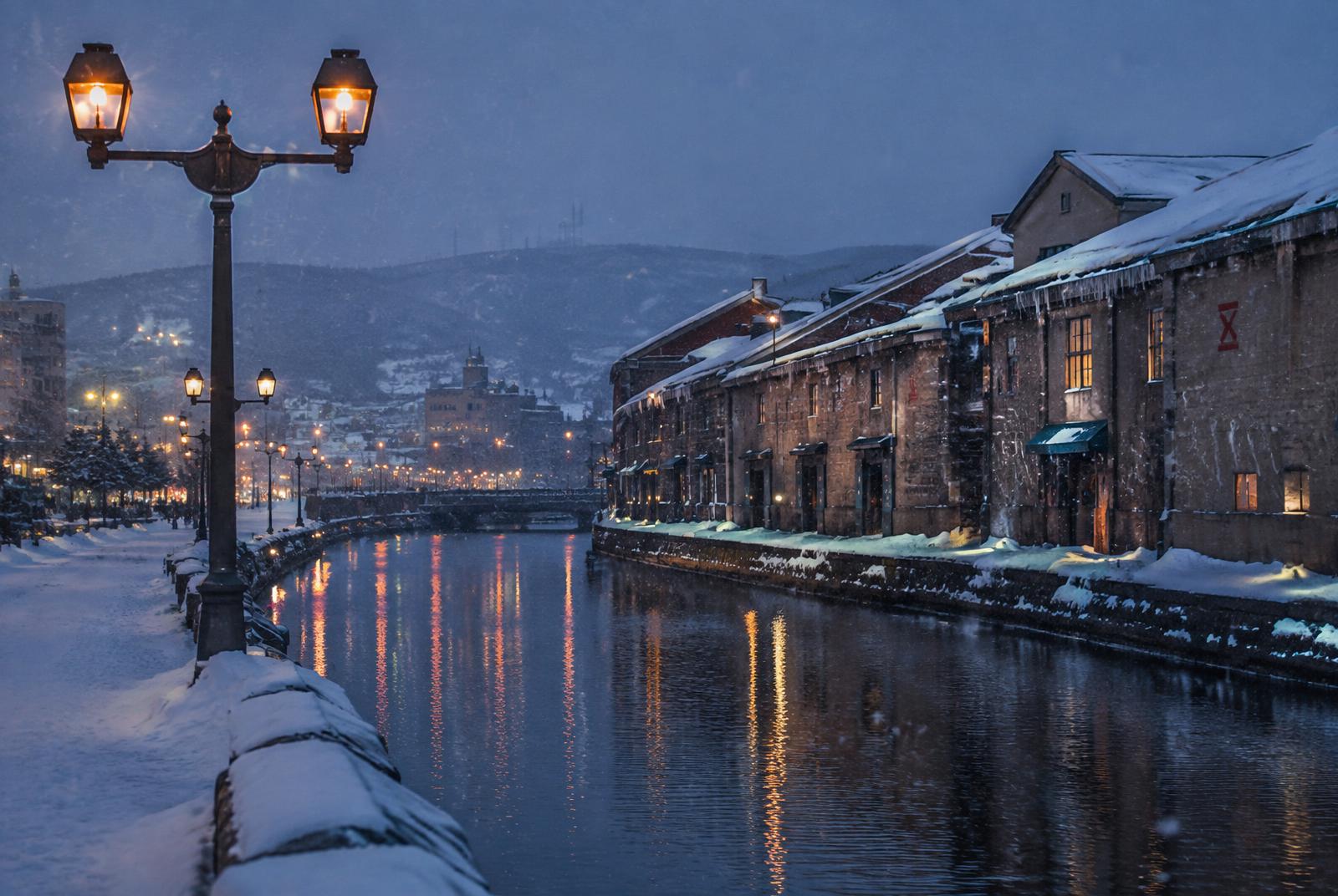
Otaru
Where the mountains meet the sea.
Otaru is not a ski village — and that is precisely the point. It is a functioning historic city positioned between Sapporo, the sea and Hokkaido's ski belt.
Year-round city life, JR connectivity, a historic centre, seafood, sea views, Sapporo, Kiroro and Teine within reach, Hokkaido summers — and dramatically lower entry prices in older residential areas than major resort villages.
A real home in a real city, with serious skiing within reach.